Median pay, United States$44,6501,405,030 people do this work

Miscellaneous Assemblers and Fabricators pay in the United States

Goes furthest in Iowa
·Production·
1.4M jobs
Figures from US Bureau of Labor StatisticsOccupational Employment and Wage Statistics
$21.47/hr median
1,405,030 employed
+1% to 2035
31% AI exposure
High school diploma or equivalent
52 states reported
and more...

What this work is

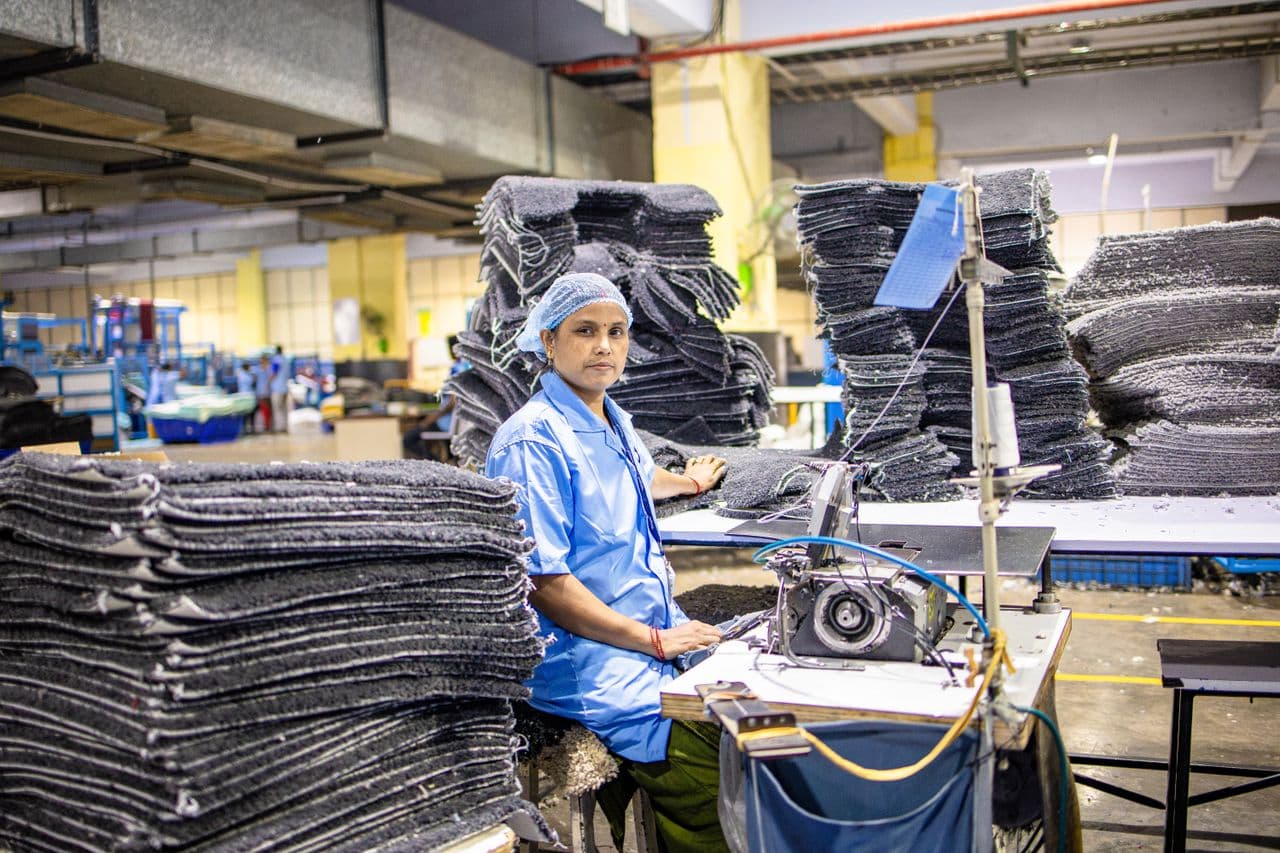
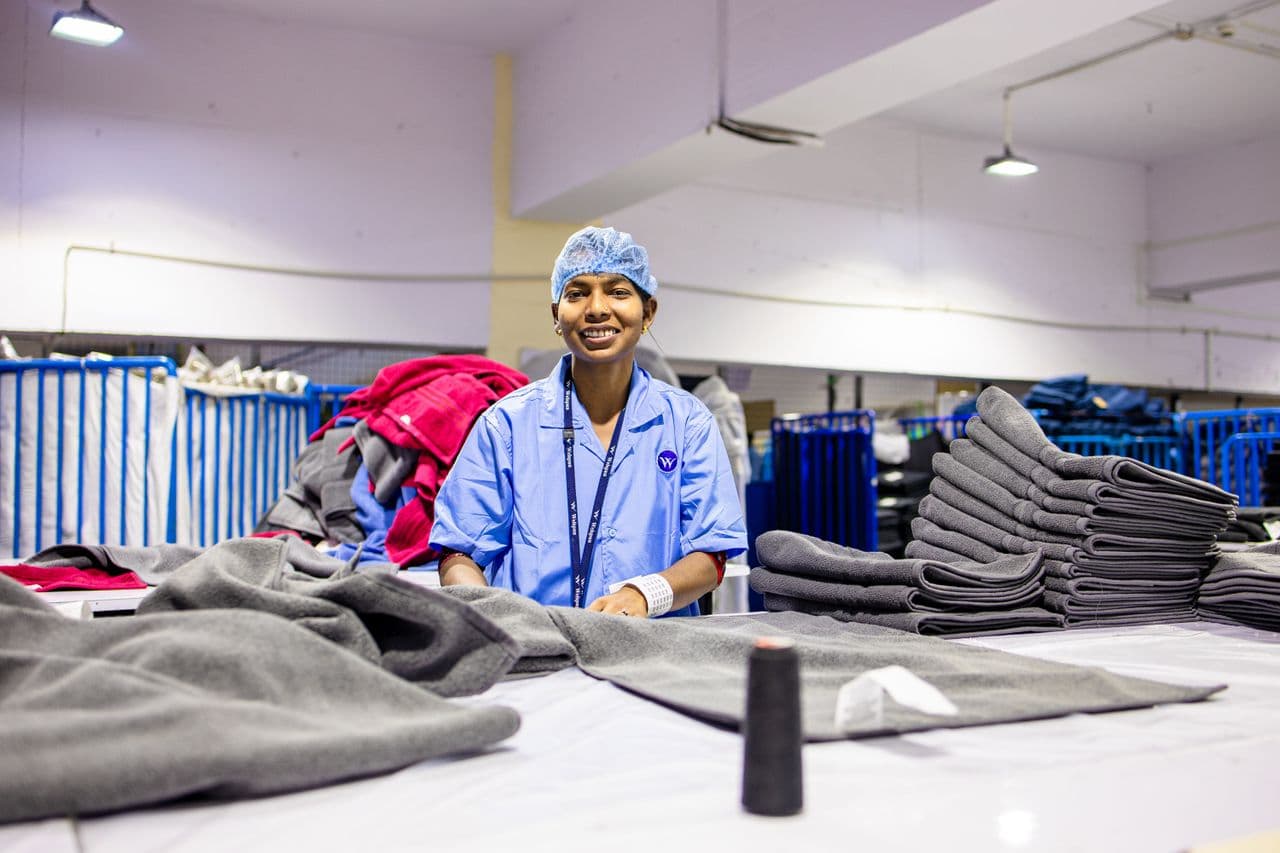
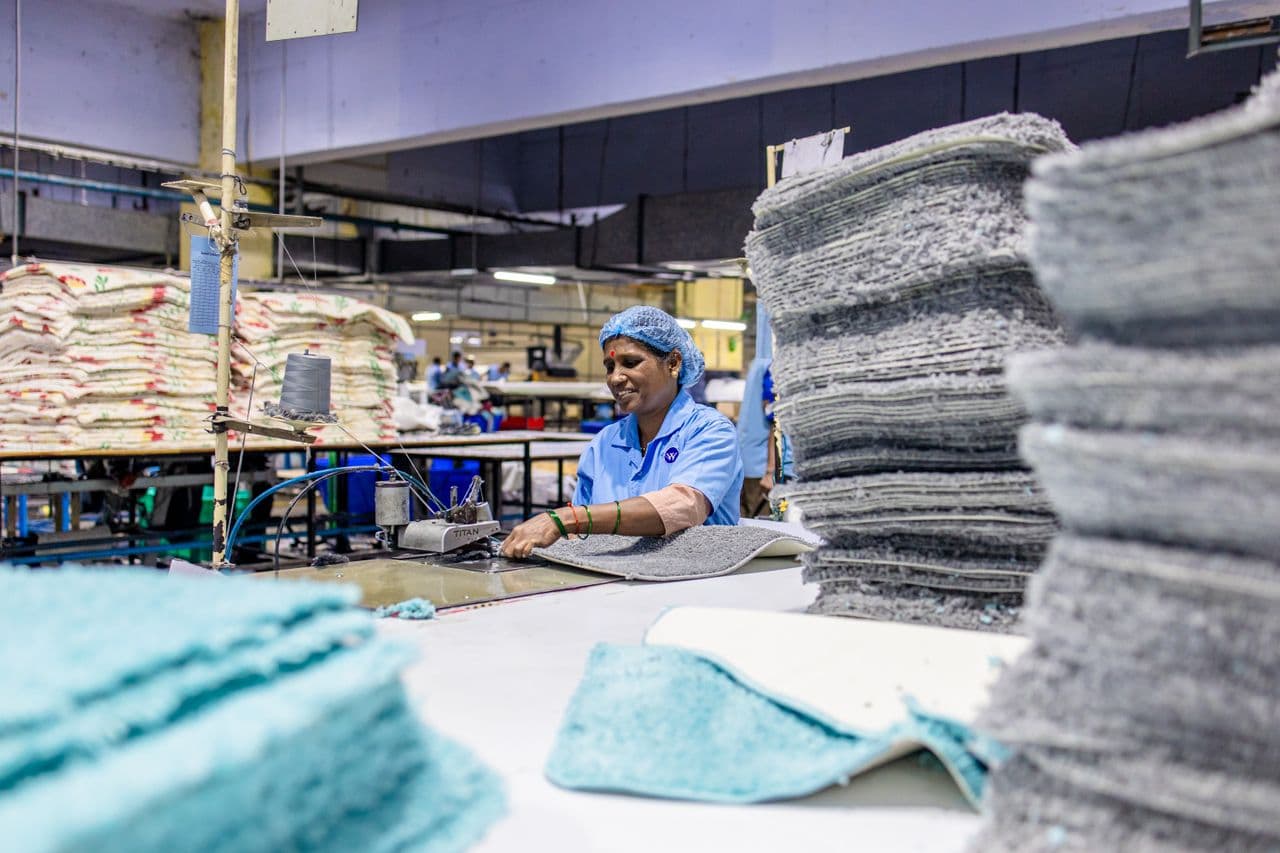
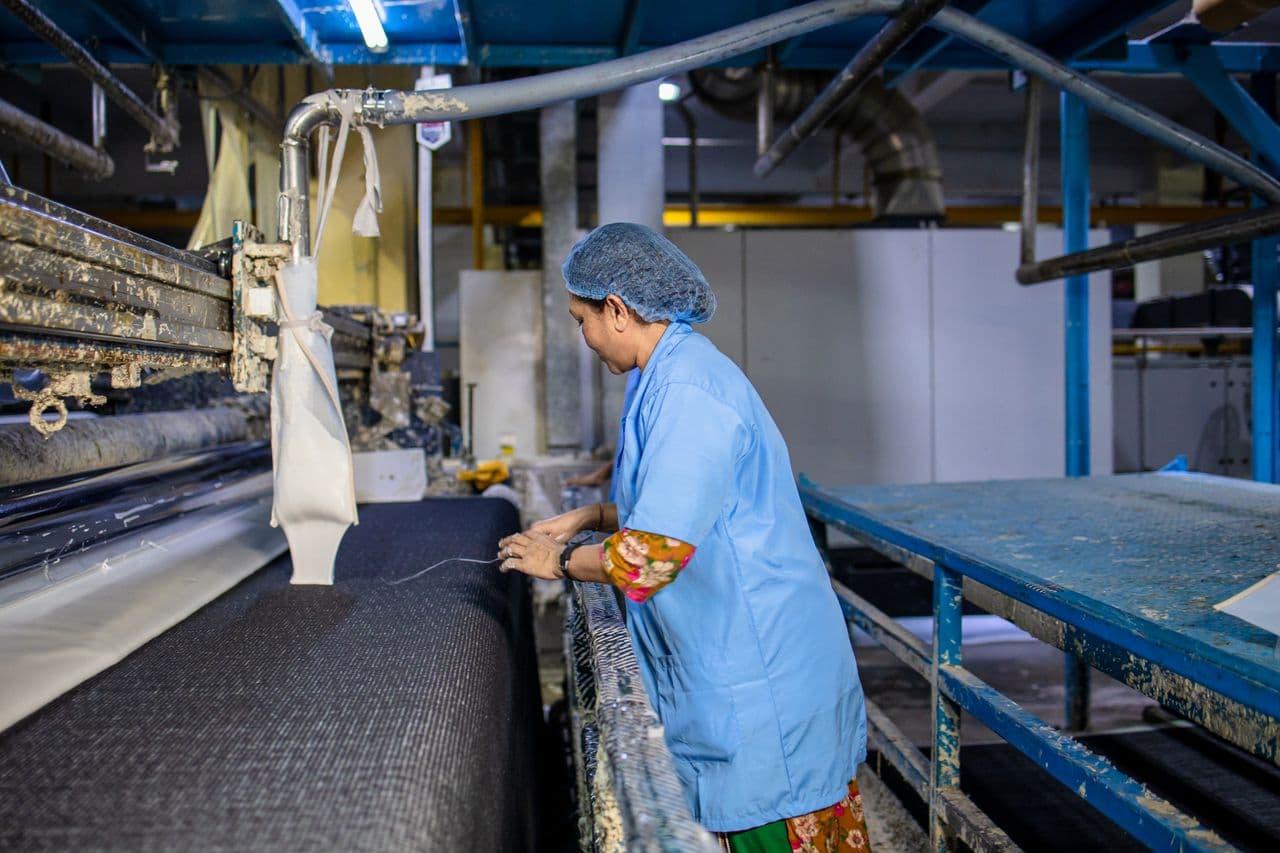
Work as part of a team having responsibility for assembling an entire product or component of a product. Team assemblers can perform all tasks conducted by the team in the assembly process and rotate through all or most of them, rather than being assigned to a specific task on a permanent basis. May participate in making management decisions affecting the work. Includes team leaders who work as part of the team.

Where the money actually goes furthest

District of Columbia pays the highest headline figure at $50,330. Adjusted for what things cost there it is worth $45,796 — less than Iowa, where $48,920 is worth $55,742.

Pay by state

52 states and territories publish a median for this occupation. Switch the ranking to see how much the order changes.

Adjusted for what things cost in that state.

Median pay for Miscellaneous Assemblers and Fabricators by state, ranked by what it is worth locally
StateHourlyAnnualWorth locallyAfter state taxJobs
Iowa$23.52/hr$48,920$55,742$47,61519,540
Kentucky$23.05/hr$47,950$53,183$46,15847,320
North Dakota$22.71/hr$47,250$53,113$47,2504,410
Missouri$22.35/hr$46,480$51,178$45,15232,850
Louisiana$21.67/hr$45,070$51,093$44,0923,400
Nebraska$21.86/hr$45,470$50,466$44,0117,240
Kansas$21.74/hr$45,220$50,205$42,98513,830
Ohio$21.98/hr$45,720$49,283$45,17993,480
Nevada$23.58/hr$49,050$49,059$49,05011,290
South Dakota$20.79/hr$43,240$48,809$43,2403,960
Indiana$21.90/hr$45,550$48,805$44,21385,610
Tennessee$21.46/hr$44,630$48,579$44,63058,760
Wisconsin$21.96/hr$45,670$48,533$44,34746,360
South Carolina$21.88/hr$45,500$48,533$44,26142,150
Alaska$23.75/hr$49,390$48,251$49,390220
Alabama$20.53/hr$42,700$48,074$40,75553,280
Minnesota$22.56/hr$46,920$47,576$45,18944,810
Montana$21.61/hr$44,940$47,480$43,4031,510
Maine$22.10/hr$45,970$47,367$44,1073,910
Michigan$21.49/hr$44,690$46,445$43,028112,310
Idaho$21.26/hr$44,210$46,298$42,6405,890
Oklahoma$19.52/hr$40,600$46,220$39,16111,920
District of Columbia$24.20/hr$50,330$45,796$48,38680
Oregon$22.55/hr$46,910$45,385$43,34611,120
Pennsylvania$21.23/hr$44,160$45,259$42,80457,780
Hawaii$23.86/hr$49,630$45,138$47,290420
Washington$23.20/hr$48,260$45,098$48,26016,990
New Hampshire$22.57/hr$46,940$45,060$46,9406,130
Mississippi$18.79/hr$39,070$44,933$37,45216,800
Vermont$21.14/hr$43,980$44,895$42,7411,380
Colorado$22.19/hr$46,150$44,784$44,8099,180
Arizona$21.67/hr$45,080$44,775$44,31823,540
Utah$21.18/hr$44,040$44,547$42,03619,110
West Virginia$19.16/hr$39,850$44,525$38,6893,480
Virginia$21.59/hr$44,900$44,411$43,06421,750
Massachusetts$22.46/hr$46,720$44,175$44,38411,600
Illinois$21.22/hr$44,140$44,157$42,09276,460
Wyoming$19.58/hr$40,720$43,931$40,7201,200
Delaware$21.04/hr$43,770$43,853$41,9071,210
Connecticut$21.72/hr$45,170$43,596$43,38710,850
Maryland$21.85/hr$45,450$43,302$43,4716,880
California$22.94/hr$47,720$43,099$46,61198,390
North Carolina$19.39/hr$40,330$42,754$39,15746,670
New Mexico$18.91/hr$39,340$42,663$38,5071,550
Arkansas$17.78/hr$36,990$42,546$35,72412,460
New York$21.43/hr$44,580$41,308$42,73333,180
Georgia$18.42/hr$38,310$39,786$36,94452,020
Rhode Island$19.51/hr$40,590$39,685$39,4632,790
Texas$18.42/hr$38,320$39,480$38,32093,650
Florida$18.46/hr$38,410$37,143$38,41042,060
New Jersey$18.09/hr$37,620$34,574$36,98522,270
Puerto Rico$11.83/hr$24,610Not publishedNot published12,850

National median for comparison: $44,650. “Worth locally” divides pay by the area’s price level, so a figure above the headline means money goes further there than the US average.

$44,650/year

$21.47/hr an hour, national median

Across the states

$23,040$72,170

25th to 75th percentile, lowest and highest state

Drop your résumé — it never leaves your browser

How much of this job could software do?

31%Low exposure
Hands, places, peopleLanguage and information

The two methods broadly agree.

Method 1 — ability mix43%

Cognitive share of O*NET ability importance (element families 1.A.1–1.A.4), O*NET 31.0

Method 2 — task content19%

Importance-weighted share of O*NET tasks classed as language or information work, O*NET 31.0

Method 3 — observed useNot seen in the usage data yet

None of this job’s tasks turns up often enough in people’s work conversations with Claude to be counted yet. Kept apart from the score above: it measures use of one AI product, a floor under what AI could do rather than another estimate of it.

Importance-weighted share of O*NET tasks seen in real work use of Claude, Anthropic Economic Index (Massenkoff & McCrory, 2026), CC BY

What this does and does not mean

Exposure means a model could plausibly do a meaningful share of the tasks in this job. It is not a forecast that the job disappears, and it says nothing about whether any employer will actually automate it.

For what the labour market expects, the Bureau of Labor Statistics projects employment in this occupation to change by +1% between 2025 and 2035, with about 138,700 openings a year.

Which parts are exposed

  • Perform quality checks on products and parts.
  • Review work orders and blueprints to ensure work is performed according to specifications.
  • Provide assistance in the production of wiring assemblies.
  • Maintain production equipment and machinery.
  • Rotate through all the tasks required in a particular production process.
  • Complete production reports to communicate team production level to management.

Amber marks language and information work. Green marks tasks that need a person in a place.

Where miscellaneous assemblers and fabricators move next

Occupations that share most of this one’s skills, with the pay difference and the change in AI exposure.

Best-paying metro for miscellaneous assemblers and fabricators

Lafayette, LA — $64,950 median

AI skills for Miscellaneous Assemblers and Fabricators

AI does or helps with 4 of the 11 tasks O*NET lists for miscellaneous assemblers and fabricators. Weighted by how much each task matters, that is about 19% of the work — an estimated 1 to 3 hours a week for someone who uses AI well.

Source: O*NET Database 31.0 task statements (2026), each scored with our published task-content method; hours from published productivity experiments. Updated November 2026. Method

What AI gives back in this job

1–3hours a week

Our estimate for someone who uses AI well on this job’s tasks. A range, not one number, because the experiments behind it measured different savings on different work.

Tasks AI does or helps with
4 of 11
Share of the work, weighted by importance
19%

Where the time comes from

  • Complete production reports to communicate team production level to management.
  • Review work orders and blueprints to ensure work is performed according to specifications.
  • Determine work assignments and procedures.

New entrants feel it first. Employment of 22- to 25-year-olds in AI-exposed occupations is 19% below trend. AI touches a much smaller share of this job. Stanford Digital Economy Lab, August 2026

How the hours are estimated

AI can do or help with 4 of the 11 O*NET tasks of this job. Weighted by how important each task is, that is 19% of the work. We apply that share to a 40-hour week and count 15% to 40% of it as time saved. The range comes from published experiments. Customer support agents with an AI assistant resolved 14% more issues per hour (Brynjolfsson, Li & Raymond, 2023). Professionals took about 40% less time on writing tasks with ChatGPT (Noy & Zhang, 2023). Consultants finished tasks about 25% more quickly when the work was within AI's reach (Dell'Acqua et al., 2023). This is an estimate for planning, not a promise. Full method.

See how the course worksPaths are built job by job from each one’s own tasks. See which are ready.

Will AI replace miscellaneous assemblers and fabricators?

Exposure counts tasks, not jobs. AI can do or help with part of this work, while 7 of the 11 tasks still need a person — hands, a place, or someone in the room. For what the labor market expects, the Bureau of Labor Statistics projects employment in this occupation to change by +1.1% between 2025 and 2035. What changes first is how the work gets done, and that part can be learned.

Which AI tool to learn

The one your employer allows. You practice in Microsoft Copilot, ChatGPT, Gemini or Claude — you bring the tool, we bring the material and check your result. Nothing from your résumé is used.

Software this job already uses, per O*NET: Autodesk AutoCAD, Microsoft Excel, Microsoft Office software, Microsoft Outlook, Microsoft PowerPoint.

Task by task: what AI does, what it helps with, what stays human

TaskAI’s part
Perform quality checks on products and parts.Stays human
Review work orders and blueprints to ensure work is performed according to specifications.AI helps
Provide assistance in the production of wiring assemblies.Stays human
Maintain production equipment and machinery.Stays human
Rotate through all the tasks required in a particular production process.Stays human
Complete production reports to communicate team production level to management.AI does
Determine work assignments and procedures.AI helps
Supervise assemblers and train employees on job procedures.AI helps
Package finished products and prepare them for shipment.Stays human
Shovel, sweep, or otherwise clean work areas.Stays human
Operate machinery and heavy equipment, such as forklifts.Stays human

AI does — language or information work a model can do most of; a person checks the result. AI helps — part of the task is that kind of work. Stays human — it needs hands, a place or a person present. The label for each task comes from a published word-list method applied to O*NET’s own task statements (method 2 above), not from our opinion of the job. Importance is O*NET’s rating, 1 to 5. How the method works.

What stays yours

Tasks O*NET lists for this job that need a person, most important first.

  • Perform quality checks on products and parts.
  • Provide assistance in the production of wiring assemblies.
  • Maintain production equipment and machinery.
  • Rotate through all the tasks required in a particular production process.

Better-paid work that uses the same skills

Related occupations from O*NET that pay more; some need more education or a license. National medians from BLS.

See your own path

Paths are built occupation by occupation, from each one’s own tasks. See which jobs have one, how the practice works and what it checks.

See how the course works